Diamond Springs Home Prices: What Buyers Should Compare
August 27, 2026
Pull up three different real estate sites for Diamond Springs on the same afternoon and you'll get three different stories about the market. One shows prices falling by double digits. Another shows prices climbing by double digits. A third sits quietly in between, barely moving. None of them are wrong. They're just not measuring the same thing, and in a town this size, that distinction matters more than usual.
Here's what a buyer actually sees this year. Redfin's numbers, tracking closed sales through February 2026, put the median sale price at $390,000, down more than 20 percent from a year earlier. Movoto's numbers, tracking active listings as of August 2026, put the median asking price at $460,000, up 12 percent year over year. Zillow's home value index, a smoothed estimate rather than a transaction count, lands at $445,330 as of the end of June 2026, down about 1 percent. Three sources, three trend lines, three different conclusions about whether Diamond Springs is getting more or less affordable.
The gap isn't really a contradiction. It's three different questions getting mistaken for one.
Redfin's figure answers "what did homes actually close for in the period being reported." Movoto's figure answers "what are sellers asking for right now." Zillow's figure answers "what does a model estimate the typical home is worth across the whole area, smoothed over time." Those are related numbers, but they're not interchangeable, and a seller pricing a home off one while a buyer negotiates off another is a common source of friction once an offer actually gets written.
Then there's the second problem, which is scale. Redfin's February 2026 snapshot for Diamond Springs was built on five closed sales. Five houses. A single custom estate closing or a single distressed sale closing in the same month can swing a median by tens of thousands of dollars without the underlying market moving at all. El Dorado County as a whole sold 295 homes in June 2026 alone, enough volume that its three-month median of $643,000 is a reasonably stable number. Diamond Springs, at a fraction of that volume, doesn't get that luxury. A single town this size will produce headline numbers that jump around from month to month even in a market that is, underneath the noise, holding fairly steady.
So if you're cross-shopping Diamond Springs against Placerville or El Dorado Hills using the median price on whatever site you happen to have open, you're comparing apples to a monthly lottery draw. The more useful question isn't "which number is real." It's "what does the housing stock actually look like, and what does it cost relative to the towns around it."
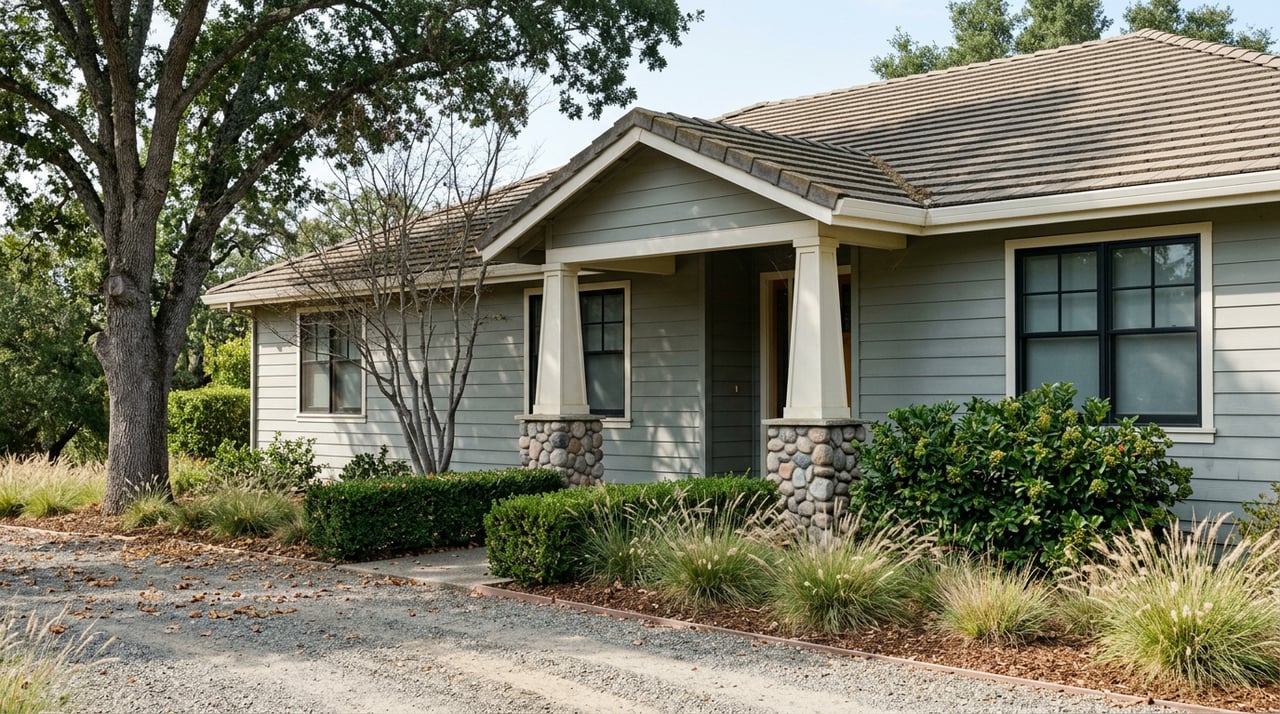
Diamond Springs isn't one housing market. It's three, stacked on top of each other by build era and lot size, and the price tiers track those categories more reliably than any single median does.
| Housing type | Typical price range | What defines it |
|---|---|---|
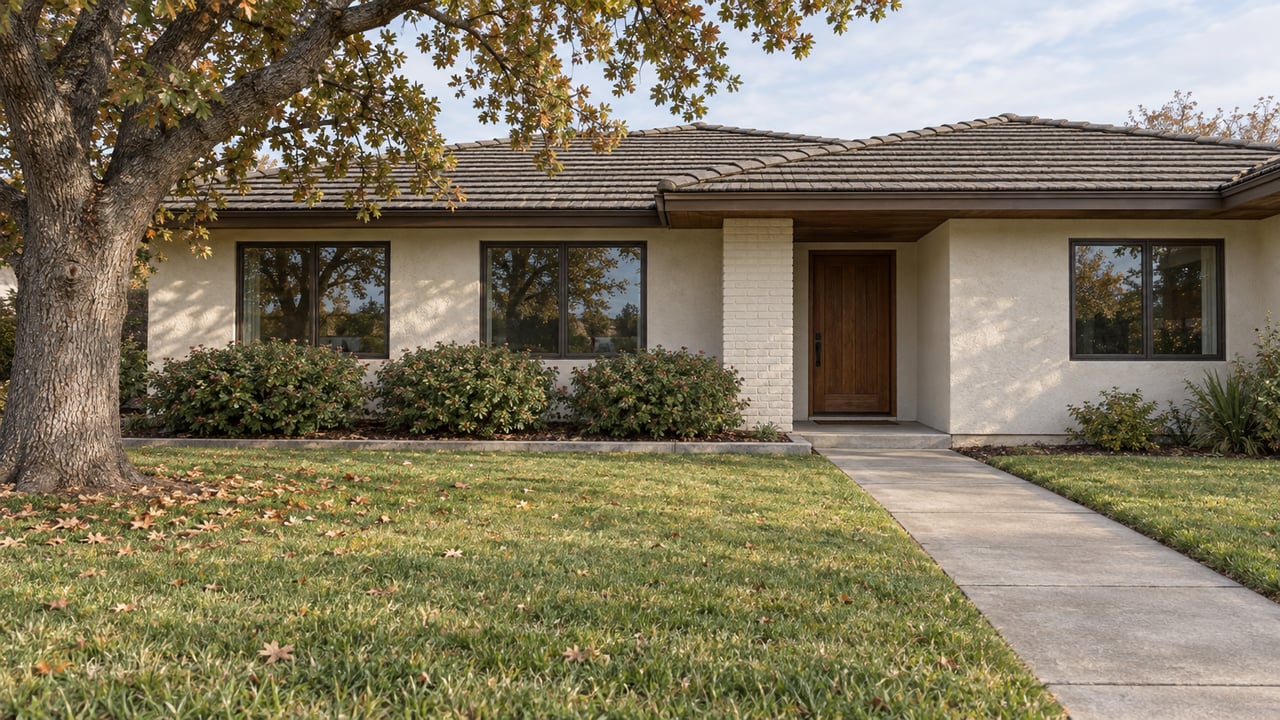
| 1960s-70s ranch homes | roughly $320,000 to $575,000 | Up to four bedrooms, quarter-acre-plus lots, original suburban stock |
| New Craftsman-style builds | roughly $665,000 to $850,000 | Full-acre lots, newer construction on the town's outer edges |
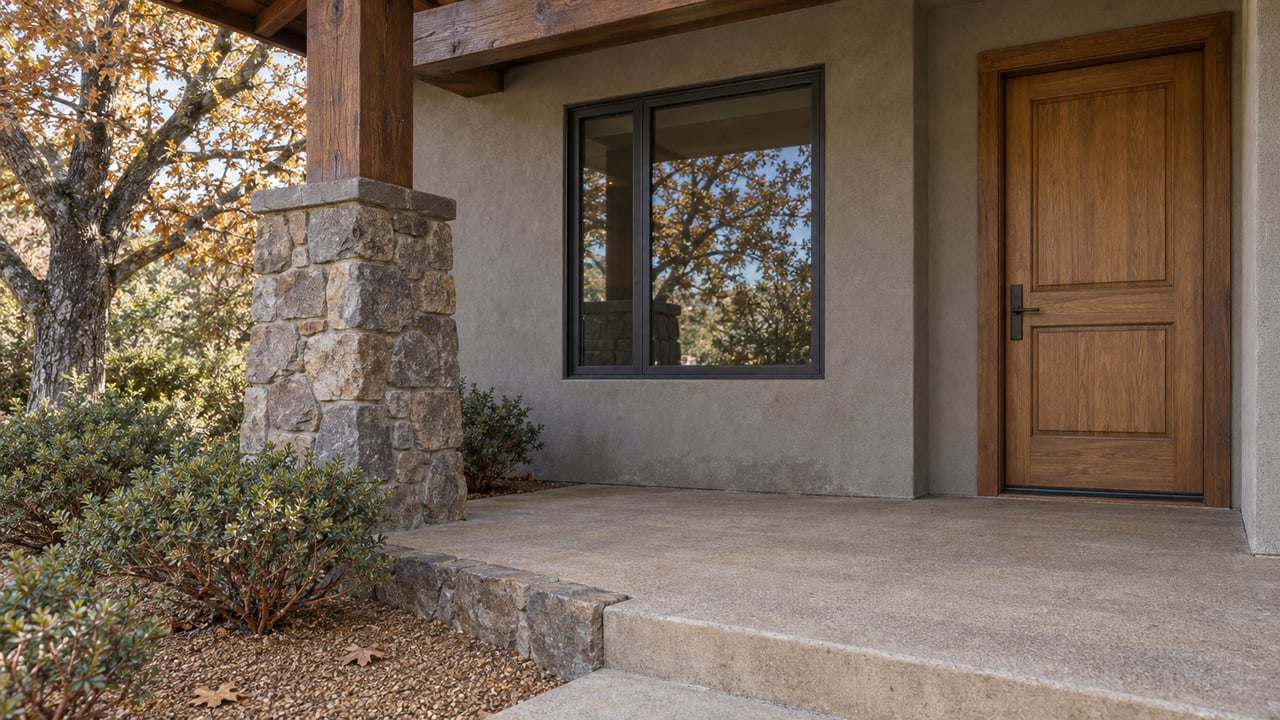
| Custom estates | roughly $1,000,000 to $2,350,000 | Up to 10 acres, rural parcels on the town's northern end |
That spread is the real story. A buyer who reads "median $390,000" or "median $460,000" and assumes that number describes the typical Diamond Springs house is missing that the town's inventory runs from entry-level ranch homes to seven-figure acreage in the same zip code. The median tells you almost nothing about which of those three markets you're actually shopping in.
Price per square foot tells a more consistent story than the median does. Diamond Springs has been running between $291 and $307 per square foot depending on the source and month. El Dorado County as a whole was running $358 per square foot over the three months ending June 2026. That gap, roughly $50 to $65 per square foot below the county average, holds up across both the Redfin and Movoto figures even while their medians disagree with each other. That consistency is worth more than either headline number on its own.
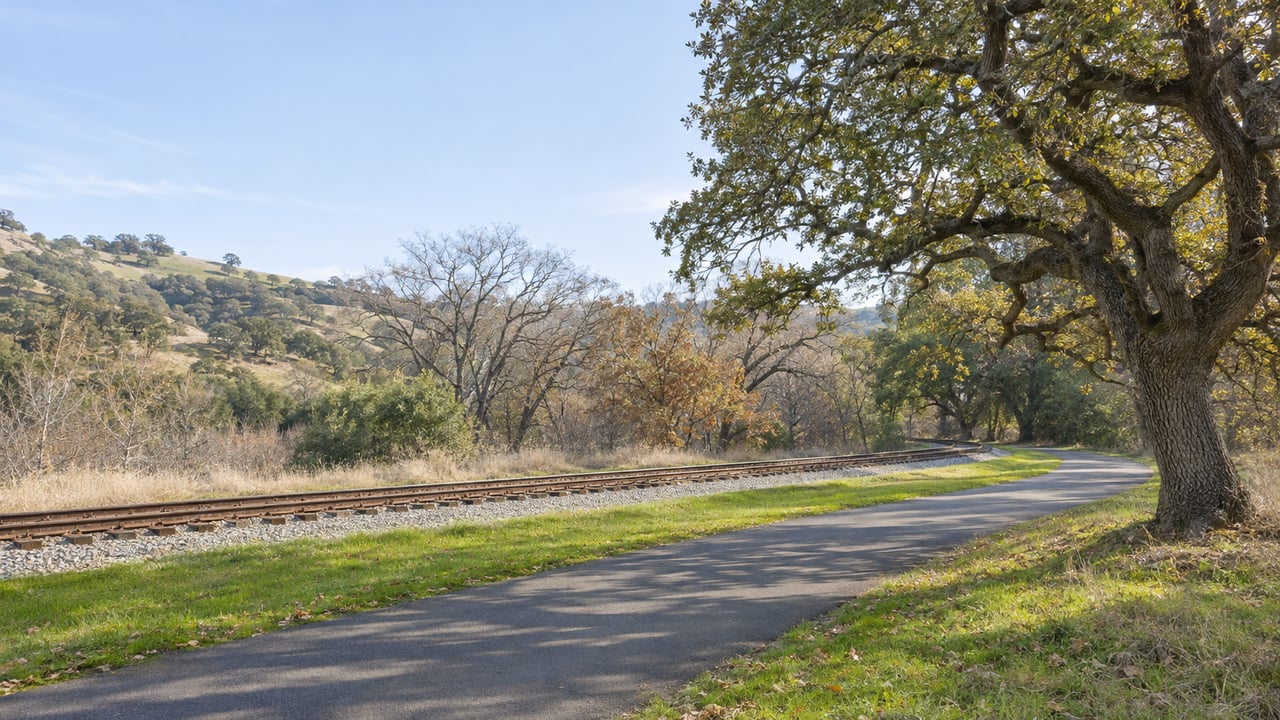
Part of that discount is geography. Diamond Springs sits about three miles from downtown Placerville and roughly 42 miles from Sacramento, close enough to share the same commute corridor and the same school district options without carrying Placerville's price tag. Downtown Diamond Springs has its own Main Street business base, coffee shops, a flea market, and a small but real dining scene that includes Allez!, a French restaurant that relocated to the town in the mid-2000s, and Poor Red's Bar-B-Q, a long-running local fixture with outdoor seating. None of that is new or trendy. It's the kind of steady, unglamorous commercial base that tends to outlast market swings, which is a different kind of stability than a headline price trend.
For a buyer who wants Placerville's access without Placerville's price, or who wants a real acreage option without driving further out toward Somerset or Camino, that three-mile gap is doing more explanatory work than any single median figure will.
Here's a second place where a number, or in this case an amenity, gets ahead of what's actually been delivered.
El Dorado County has been planning a 40-acre community park on Clemenger Drive, next to Charles F. Brown Elementary and Union Mine High School, since at least 2023. The concept includes soccer and softball fields, basketball and pickleball courts, an indoor gym, and pedestrian trails. The environmental review process reached a Notice of Determination in December 2023, and the most recent public status update shows the county issuing a notice to proceed to its design consultant, Kimley-Horn, in January 2025, with a kickoff meeting still pending at that point. In other words, the park has cleared its environmental review and is in early design. It has not broken ground.
That hasn't stopped it from showing up in listing descriptions as a selling point. At least one current listing markets a nearby property as being just around the corner from the "highly anticipated" park. That's not inaccurate exactly, the park is real and it is planned, but it's a useful reminder for any buyer weighing a property partly on the strength of a promised amenity. Planned and built are different words, and the gap between an EIR filing and a ribbon cutting on a county park project can run for years. If a listing leans on a future amenity, it's worth checking the project's actual status against county records before it factors into how much you're willing to pay.
If you're weighing Diamond Springs against Placerville or El Dorado Hills, the headline median on any one portal is the least reliable number in the comparison. The more durable signals are the price-per-square-foot gap to the county average, which housing tier you're actually shopping in, and whether any amenity you're counting on already exists or is still working through county planning.
That's the kind of digging that matters more once you're seriously comparing offers, not just browsing listings. If you want a second set of eyes on a specific Diamond Springs property, or you're trying to figure out where it actually lands relative to Placerville for your budget and timeline, James Naulty has spent over two decades working transactions across Placerville, Diamond Springs, and the rest of El Dorado County. Let's Connect and talk through what the numbers actually mean for your situation.
Which price number should I actually trust when I'm comparing towns? None of them alone. Compare price per square foot across sources for consistency, then check which housing tier, ranch, new build, or acreage estate, you're actually shopping in before you compare a specific listing to any town-wide median.
Is Diamond Springs actually cheaper than Placerville, or is that just a low sample size talking? The price-per-square-foot gap, roughly $291 to $307 in Diamond Springs against $358 county-wide, has held up across more than one data source and more than one month, which makes it a steadier signal than either town's monthly median. The discount looks real. The exact size of it will keep moving until more homes sell.
Stay up to date on the latest real estate trends.
Get assistance in determining current property value, crafting a competitive offer, writing and negotiating a contract, and much more. Contact me today.