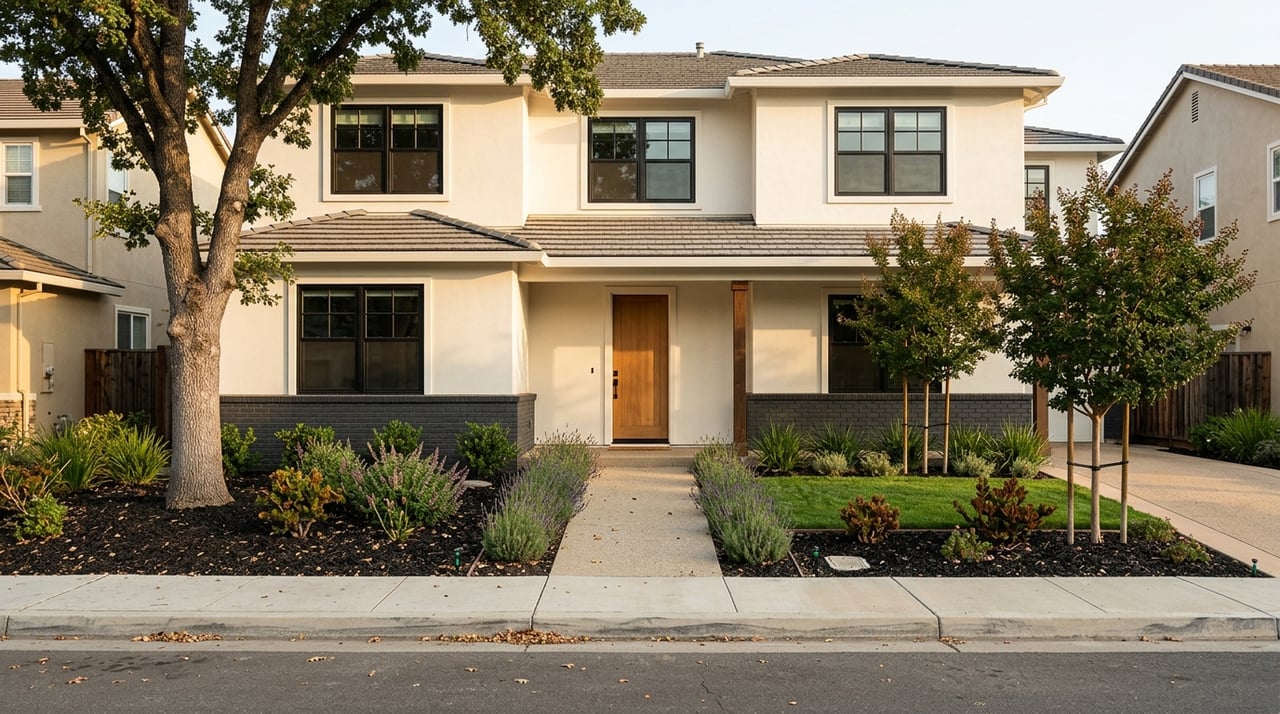
Living in Rancho Cordova: What Daily Life Is Like
July 9, 2026
July 9, 2026
If you are thinking about moving to Rancho Cordova, you probably want more than a map and a list of homes. You want to know what daily life actually feels like, from the commute to the parks to where you will run errands. The good news is that Rancho Cordova offers a mix of suburban living, job access, and outdoor convenience that appeals to a wide range of buyers. Let’s dive in.
Rancho Cordova has the feel of a city with more than one identity. It blends established suburban neighborhoods, newer residential areas, major employment centers, and active transportation corridors. The city describes itself as an emerging urban center with a small-town feel, with more than 85,000 residents and a workforce of more than 65,000.
That mix shapes day-to-day life in a real way. You are not looking at a traditional downtown-centered city. Instead, Rancho Cordova tends to function through several key corridors and districts, with housing, retail, jobs, parks, and transit spread across different parts of town.
Living in Rancho Cordova often means having options. You can be close to light rail and mixed-use areas along Folsom Boulevard, or in newer residential sections that feel more classically suburban. Depending on where you live, your routine may center around highway access, neighborhood parks, shopping centers, or nearby trail connections.
The city also puts a strong focus on community life. Rancho Cordova highlights more than 100 mostly free events, along with local themes like the Barrel District and the Mills Area Community Commercial district, often called the MACC. That gives the city an active public identity without making it feel overly urban.
For many residents, commute convenience is one of the biggest draws. US 50 is the main east-west route and plays a major role in how people move through the city. It also divides Rancho Cordova into north and south halves, which can shape how you think about location when home shopping.
At the same time, Rancho Cordova is still largely car-oriented. According to the city’s 2025 transportation memo, 71.4% of commuters drive, 12% carpool, 2% use public transit, 1.4% walk, and 0.5% bike. In practical terms, that means driving will likely be part of your daily routine, even if you also use transit for some trips.
Rancho Cordova has four SacRT light rail stations: Cordova Town Center, Mather Field/Mills, Sunrise, and Zinfandel. The Gold Line connects these stations to downtown Sacramento at Sacramento Valley Station and also to Historic Folsom. If you want an alternative to driving every day, that can be a meaningful benefit.
Some stations also make it easier to combine driving and transit. SacRT lists free park-and-ride parking at Mather Field/Mills, Cordova Town Center, and Sunrise. Mather Field/Mills also connects to bus routes 21, 72, 75, and 78.
Some of the newer residential areas have another transit layer. The city’s commuter shuttle network serves the Villages of Zinfandel, Anatolia, Kavala Ranch, and Sunridge Park, with access to Zinfandel station. That setup can help if you live farther from the rail corridor but still want a transit connection.
It is worth noting that local service has changed. SacRT says SmaRT Ride ended on January 1, 2025, and SacRT Flex is now limited to eligible riders such as seniors, low-income riders, and people with disabilities. So if transit matters to you, it is smart to look closely at the exact routes and stations that fit your routine.
One of the strongest lifestyle advantages in Rancho Cordova is access to parks and trails. The city says it has six miles of American River frontage, 26 miles of bike and pedestrian trails, and 70 acres of creek channels and tributaries. That is not just a nice extra. It is a major part of how many people experience the city.
If you like to walk, bike, or spend time outside, Rancho Cordova gives you room to do that close to home. The city also presents itself around active living, river access, arts, and events, which reinforces the idea that outdoor recreation is part of everyday life here.
The American River Parkway is one of the area’s biggest lifestyle assets. In 2025, the city completed the Chase Drive connection to the parkway, creating a more direct route from nearby neighborhoods. That kind of infrastructure can make a noticeable difference in your regular routine, especially if you value quick outdoor access before or after work.
Hagan Community Park is another important recreation point on the west side of the city. Because it sits next to the parkway, it adds to the sense that some parts of Rancho Cordova are especially well positioned for people who want convenient park and trail access.
Rancho Cordova is not only a residential suburb. It is also one of the region’s larger job centers. The city reports a workforce of more than 65,000, with leading industries that include health care and social services, retail, professional, scientific and technical services, and banking, finance, and insurance.
The employer base is part of why Rancho Cordova appeals to buyers who want to stay close to work or maintain flexibility in their commute. City materials also highlight major employers and a broader business mix that includes semiconductors, AI, health, and life sciences. For many households, that blend of housing and employment access is a practical plus.
Shopping in Rancho Cordova tends to be corridor-based rather than centered in one classic downtown district. Key retail areas include Cordova Town Center, Cap Village Shopping Center on Zinfandel Drive, Zinfandel Plaza, and Rockingham Plaza. Big-box grocery and shopping options like Walmart, Safeway, and Target are also part of the daily landscape.
That setup can be convenient, but it does shape how the city feels. Instead of one main gathering place for errands and retail, you are more likely to move between several shopping areas depending on what you need and what part of town you live in.
One of the most important things to understand is that Rancho Cordova does not feel the same everywhere. Different areas offer different rhythms, development patterns, and transportation advantages. That matters when you are deciding what kind of home and lifestyle fit you best.
West and central Rancho Cordova, especially along Folsom Boulevard, tend to feel more mixed-use and transit-oriented. The city’s planning documents describe this corridor as being repositioned into a more vibrant urban place, with activity centered around existing and planned light rail stops.
If you want easier rail access, a more connected corridor, or proximity to redevelopment areas, this part of the city may stand out. The area near Folsom Boulevard and the Mather Field/Mills station also includes Folsom Lake College, retail, and redevelopment activity such as Mills Crossing.
South and east of Sunrise and Douglas, the Sunridge Specific Plan area reads more like a conventional suburban setting. City planning materials describe it as mostly residential, with a mix of single-family homes, townhomes, condos, four elementary schools, and 99 acres of parkland.
This side of town may appeal to buyers who want a neighborhood-focused feel with newer master-planned areas nearby. The Anatolia, Kavala Ranch, Villages of Zinfandel, and Sunridge Park areas are also tied to the local shuttle network, which reinforces their connection to a few main transit nodes.
Rancho Cordova can be a strong fit if you want an east-Sacramento location with practical access to US 50, regional employers, and outdoor amenities. It also works well if you like having some transit availability, especially along the Folsom Boulevard corridor. For many buyers, the combination of job access, parks, and a range of neighborhood types is what makes the city appealing.
Like any location, there are tradeoffs. Many daily trips are still car-dependent, and shopping and activity hubs are spread across corridors rather than organized around one traditional downtown. If you go in with that expectation, Rancho Cordova often makes sense for buyers who value convenience, flexibility, and access to both work and recreation.
Because Rancho Cordova has several distinct pockets, the right move often comes down to matching the home to your routine. One buyer may want quick light rail access and a more connected corridor. Another may care more about parkland, a newer residential area, or easier access to US 50.
That is where local market knowledge matters. If you are comparing Rancho Cordova neighborhoods, it helps to work with someone who can explain how the city functions day to day, not just pull up listings. A clear plan can save you time and help you focus on the areas that best match your goals.
If you are thinking about buying or selling in Rancho Cordova, James Naulty can help you sort through the options with practical local guidance and a steady, results-driven approach.
Stay up to date on the latest real estate trends.
Get assistance in determining current property value, crafting a competitive offer, writing and negotiating a contract, and much more. Contact me today.