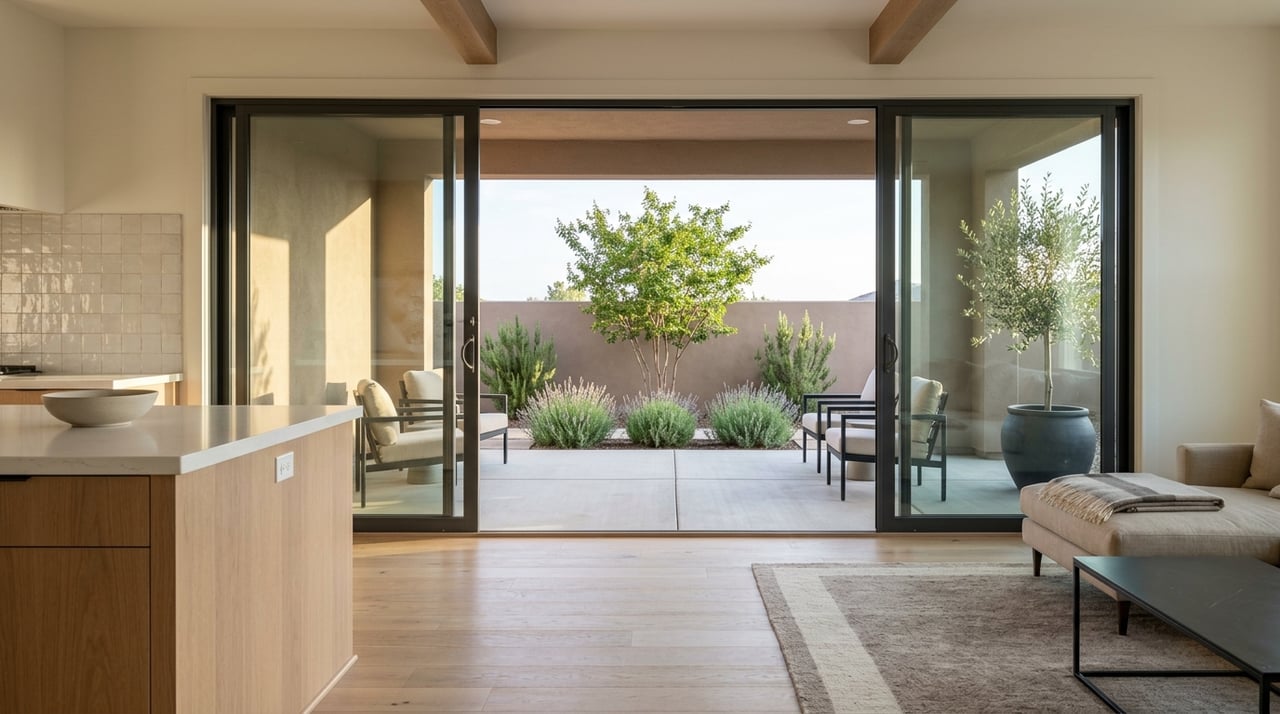
How To Coordinate A Sale And Purchase In Sacramento
July 16, 2026
July 16, 2026
If you need to sell your current home and buy the next one in Sacramento, timing can feel like the hardest part. You are trying to protect your equity, avoid carrying two homes longer than necessary, and line up keys, moving trucks, and deadlines without a lot of room for error. The good news is that a clear plan can make a complicated move feel much more manageable. Let’s dive in.
Sacramento has been moving at a fairly brisk pace in late spring 2026. Redfin reported a median sale price of $499,701 for Sacramento city with 18 median days on market, while Sacramento County came in at a $538,385 median sale price with 17 median days on market. Sacramento Association of REALTORS also reported a seller’s market in May 2026, with homes averaging 26 days on market and a 99% sold-to-original-list-price ratio.
The exact days-on-market number varies by source, but the takeaway is consistent. Homes are still moving fast enough that many buyers and sellers do not have much room for delays between one transaction and the next. If you are coordinating both sides of a move, preparation matters more than ever.
Most Sacramento homeowners use one of four basic approaches when they need to sell and buy around the same time. The right one depends on your equity, cash reserves, lender approval, and how much timing risk you are comfortable taking on.
This is often the simplest path from a risk standpoint. You know exactly how much your current home sold for, what your net proceeds look like, and how much cash you can bring to the next purchase.
The tradeoff is that you may need temporary housing if your replacement home is not ready in time. You also still need to budget for closing-related costs on both transactions, so even a sell-first plan works best when you have a full cash picture before you list.
In California, a purchase can be written so it depends on your current home going under contract and closing by specific deadlines. California REALTORS uses C.A.R. Form COP for this type of structure.
This approach can work well when you have strong equity, solid preapproval, and a realistic timeline. In a faster Sacramento market, sellers may be more cautious about accepting this type of offer, so the terms and timing need to be tight and clear.
Some homeowners buy first by using a temporary bridge-style loan structure. CFPB guidance describes this as short-term financing, generally 12 months or less, for borrowers who plan to sell their current home within that period.
This can solve a timing problem, but it does not remove qualification standards. Your lender still has to count the payment obligation when determining your ability to repay, so this route usually works best for homeowners with strong income, strong equity, or both.
Another option is to close the sale of your current home and remain in the property for a short period after closing. In California, C.A.R. Form SIP is intended for occupancy of less than 30 days after close, while C.A.R. Form RLAS is used for 30 days or more.
This can be a practical way to bridge the gap between closings. It also needs careful documentation because occupancy after closing can affect lender requirements, insurance, and the parties’ rights and obligations.
A coordinated move usually works best when you map the dates out early, not after the first contract is signed. In California, escrow is typically a period of 30 days or more after acceptance, and the default contingency removal period in the Residential Purchase Agreement is 17 days after acceptance.
Mortgage rate locks are also commonly set for 30, 45, or 60 days. When you put those pieces together, it becomes clear why the calendar matters so much. A delay in one part of the transaction can quickly affect the next step.
When these dates are aligned from the start, you are much less likely to feel rushed later. Good coordination is really about reducing surprises.
For many Sacramento homeowners, the challenge is not just timing. It is also the price difference between the home you are selling and the one you want to buy.
Sacramento Association of REALTORS reported in May 2026 that average closed prices were $548,975 for 3-bedroom homes and $713,122 for 4-bedroom homes in Sacramento County. That is roughly a $164,000 gap before closing costs and moving expenses. If you are moving up in size or price point, you may need sale proceeds, cash reserves, a contingency structure, or temporary financing to make the numbers work.
This is one reason pricing your current home correctly matters so much. Your sale is not happening in isolation. It is helping fund the next purchase.
A brisk market does not mean every home follows the same pattern. Redfin reported that 45.4% of Sacramento County homes sold above list price, while 21.7% had price drops.
That tells you something important. Even when the market is active, strategy still varies by property, condition, and price point. If your plan depends on moving quickly and protecting your equity, pricing and preparation need to match the current market, not last year’s assumptions.
The biggest risk is usually timing drift. One closing date shifts, an appraisal takes longer, repairs come up, or a loan approval moves slower than expected. Then the rest of the plan starts to feel shaky.
That matters because contracts do not always offer unlimited flexibility. If your home sale is delayed, your replacement purchase could lose contingency protection or put your deposit at greater risk if you cannot close on time.
None of these issues automatically kill a deal. They just need to be anticipated early and managed carefully.
A strong plan is not just about choosing sell first or buy first. It should cover both the financial side and the calendar side so you know what happens if things move faster or slower than expected.
When you have these decisions mapped out in advance, you can act faster and with more confidence when the right home comes up.
In a simultaneous sale and purchase, most of the real work is in the details. Dates have to line up. Deadlines have to be tracked. Inspection windows, appraisal timing, escrow, occupancy documents, and final walkthroughs all need to stay coordinated.
That is where steady local guidance matters. In a market like Sacramento, where homes can move quickly but transaction timelines still involve multiple steps, having a clear plan can help you reduce stress and avoid last-minute scrambling.
If you are thinking about selling one home and buying another in Sacramento, the best first step is to build the strategy before you jump into the market. James Naulty can help you map out the timing, pricing, and next steps so your move feels organized from day one.
Stay up to date on the latest real estate trends.


Get assistance in determining current property value, crafting a competitive offer, writing and negotiating a contract, and much more. Contact me today.