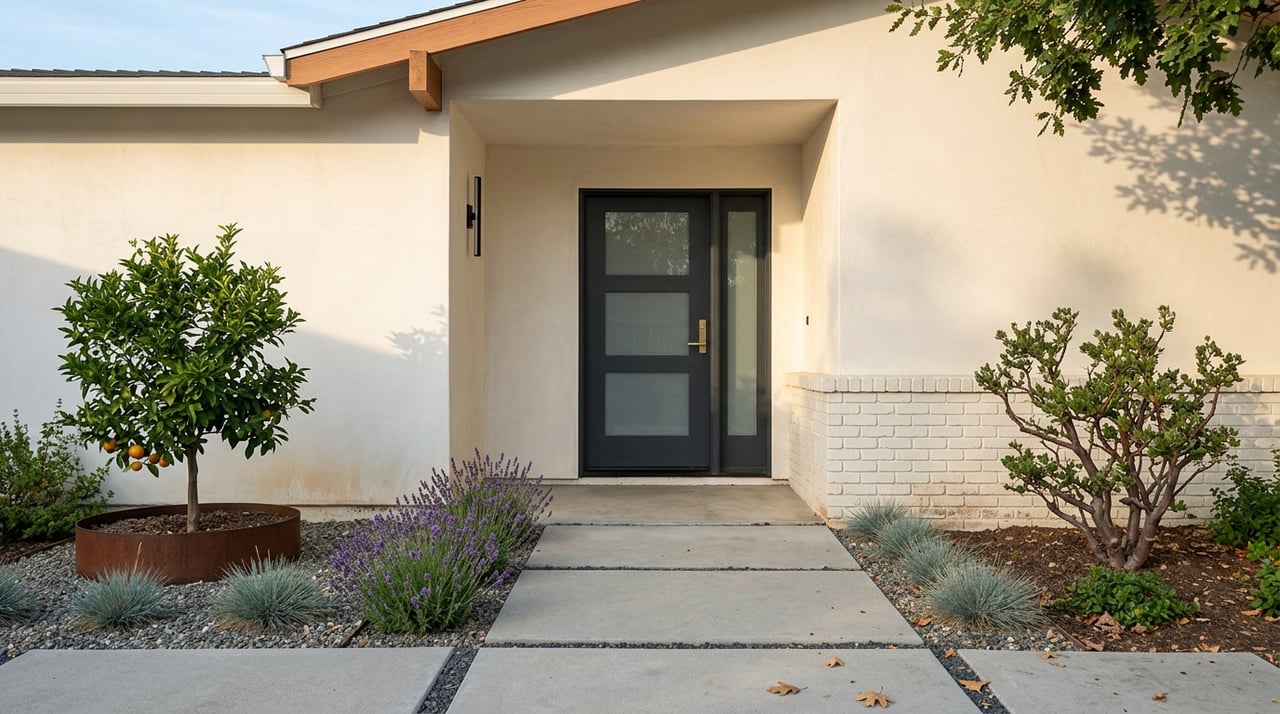
Buying a Home in Citrus Heights: What Buyers Should Know
July 23, 2026
July 23, 2026
If you want a Sacramento-area suburb that can be more attainable than some nearby communities, Citrus Heights deserves a close look. You may be trying to balance price, commute, home condition, and day-to-day convenience all at once, which can make the search feel overwhelming. The good news is that Citrus Heights offers a practical mix of established neighborhoods, solid amenities, and a range of home types. Here’s what to know before you buy so you can move forward with more clarity and confidence.
Citrus Heights sits about 15 miles northeast of Sacramento and remains a well-established suburban option in Sacramento County. The city reports 86,909 residents in 2024, along with access to major routes including I-5, I-80, US-50, and US-99 within roughly 3 to 11 miles. For many buyers, that blend of location and everyday convenience is part of the appeal.
From a pricing standpoint, Citrus Heights generally lands in the mid-$400,000s. Recent market snapshots put the median sale or listing price around $464,167 to $479,000, with Realtor.com showing a median listing price of $477,450. Homes also spent a median of 48 days on market, with a 100% sale-to-list ratio.
That suggests a market that is competitive, but not as aggressive on price as some nearby suburbs. Realtor.com describes Citrus Heights as a seller’s market, and well-priced homes can still draw strong interest. If you are shopping here, it helps to be prepared without assuming every listing will turn into a bidding war.
For many buyers, Citrus Heights offers a useful middle ground. It is generally more affordable than Roseville, Fair Oaks, Orangevale, and Rancho Cordova based on current market snapshots, while still giving you access to major commuter routes and a mature suburban setting. That can matter if you want to stay close to Sacramento without stretching into a higher price bracket.
The city also has a practical amenity base. Citrus Heights reports 27 parks across more than 312 acres, three community trails, and a retail core centered on Sunrise MarketPlace with more than 600 businesses. If your goal is convenience over brand-new master-planned development, this setup may feel like a strong fit.
Commute access is another plus. The city says Sacramento International Airport is about 20 miles away, Amtrak is available in Roseville about 10 miles away, and SacRT service is readily available. Census QuickFacts also show a mean travel time to work of 28.0 minutes.
One of the biggest advantages in Citrus Heights is that you can find several entry points depending on the kind of home you want. This is not just a single-price market. Your options can look very different depending on whether you want a condo, a detached house, or a larger parcel.
Condos and townhomes often create a more affordable starting point. Current examples range from the high-$100,000s into the mid-$300,000s, with a townhome median around $355,000. For first-time buyers or anyone trying to keep monthly costs in check, that can make Citrus Heights easier to enter.
Manufactured and mobile homes can offer the lowest initial price point, with current examples around $114,900 and $199,900. Detached single-family homes more commonly fall from the low-$400,000s to the low-$600,000s, while larger or more upgraded homes can climb into the high-$600,000s and up toward $900,000.
Not every part of Citrus Heights is priced the same, so it helps to compare small pockets instead of treating the whole city as one market. Neighborhood-level listing data show meaningful variation, from around $317,500 in Arcade Creek to about $599,900 in Sunrise Ranch. Other areas like Rusch Park, Chase, Birdcage Heights, and Sunrise Oaks fall in between.
ZIP codes also show a split. Listing medians are around $455,000 in 95621 and about $530,000 in 95610. If you are trying to stay under a certain budget, these local differences can shape where your search has the best chance of success.
Citrus Heights remains mostly a detached-home market. City housing analysis says about two-thirds of housing units are single-family homes, while about 21% are in buildings with five or more units, about 9.5% are in 2-4 unit buildings, and about 5.2% are mobile homes. That means buyers can find variety, but detached homes still define much of the market.
Lot sizes also vary more than some buyers expect. Many detached homes currently listed cluster around 6,000 to 9,252 square feet, or roughly 0.23 to 0.29 acre, though some homes sit on larger parcels of 0.61 acre, 0.76 acre, or even more than an acre. In practical terms, you will find both compact tract lots and some older properties with more land.
A key point to understand is that Citrus Heights is largely built out. City planning documents say the city is 98% built out, which helps explain why new-home supply is limited. If you are hoping for a brand-new subdivision experience, Citrus Heights may not offer much of that.
The age of the housing stock is one of the most important things to know before buying in Citrus Heights. City planning documents say almost 40% of homes were built in the 1970s, and more than 86% were built before 1989. That does not make these homes a bad choice, but it does change how you should evaluate them.
Older homes can offer established streets, mature landscaping, and layouts that still work well for many buyers. At the same time, they may come with deferred maintenance or systems nearing the end of their useful life. Roofs, HVAC systems, windows, plumbing components, and electrical updates can become part of the conversation.
This is one reason inspections carry so much weight in Citrus Heights. The city notes that much of the older housing stock was built as tract housing, which makes inspection findings and system updates especially important. A home that looks great cosmetically may still need meaningful work behind the scenes.
Before you write an offer, it helps to get your finances and expectations lined up. In a market where homes often sell for about asking, preparation can give you an edge without pushing you into rushed decisions. The goal is to be ready to act when the right home appears.
A smart starting checklist includes:
If you are buying an older home, leave room in your budget for inspection-related issues. Even a well-maintained property may need repairs or future updates. In Citrus Heights, that is not unusual. It is part of buying in an established market.
Because Citrus Heights is competitive but not extremely overheated, your offer strategy should be strong and realistic. Well-priced homes can move quickly, especially entry-level condos, townhomes, and smaller detached houses. If a listing is clean, updated, and priced well, you may not have much time to decide.
That said, speed should not replace due diligence. Keeping financing and inspection contingencies in place, when possible, can help protect you. This matters even more in a city where many homes were built decades ago and may have age-related repair needs.
Your best position is usually a clean offer backed by solid preapproval, realistic terms, and a clear understanding of the property condition. That combination can help you compete without taking on avoidable risk.
If you are deciding between suburbs, Citrus Heights often stands out on value. Current market snapshots place Citrus Heights below nearby areas like Rancho Cordova, Orangevale, Roseville, and Fair Oaks on price. For buyers who want to stay in the greater Sacramento area, that difference can open up more options.
The tradeoff is that Citrus Heights generally has older housing stock and often more compact lots than some nearby communities. Orangevale, for example, often shows larger parcels in current listings, while Roseville tends to command higher prices. Fair Oaks is also priced higher, and Rancho Cordova can appeal to buyers who want a different mix of commuter access and recreation.
Citrus Heights tends to fit buyers who value practicality. If you want an established suburb with parks, retail access, and a range of housing options at a lower price point than some neighbors, it can be a very solid market to explore.
For day-to-day planning, it helps to know that the city says San Juan Unified School District serves the area. The city reports three K-8 schools, six elementary schools, one middle school, and two high schools within city limits. If school access is part of your search, you can use that as a starting point while narrowing homes by location.
Convenience also shows up in simple routines. Sunrise MarketPlace anchors a major retail area, and the city’s parks and trails add outdoor options close to home. For many buyers, Citrus Heights works because it supports everyday life without requiring a premium price compared with some nearby suburbs.
Citrus Heights can be a smart choice if you want a more affordable Sacramento-area suburb with solid commuter access, established neighborhoods, and a wide range of home types. The biggest thing to remember is that price value here often comes with older housing stock, so inspections and repair planning matter.
If you go in prepared, Citrus Heights can offer real opportunity. Knowing your budget, understanding the local price pockets, and paying close attention to condition can help you buy with confidence. When you match the right home to the right expectations, this market can make a lot of sense.
If you want help sorting through Citrus Heights neighborhoods, pricing, and offer strategy, James Naulty can guide you with local insight and a steady, practical approach.
Stay up to date on the latest real estate trends.
Get assistance in determining current property value, crafting a competitive offer, writing and negotiating a contract, and much more. Contact me today.